Latest
UAE Visa Overstay Fine 2026: AED 50/Day Rules Minimum Salary to Sponsor Your Family Visa in UAE UAE Labour Law: Notice Period Explained How to Check Your UAE Visa Status Online UAE Golden Visa Eligibility Requirements Updated UAE Visa Overstay Fine 2026: AED 50/Day Rules Minimum Salary to Sponsor Your Family Visa in UAE UAE Labour Law: Notice Period Explained How to Check Your UAE Visa Status Online UAE Golden Visa Eligibility Requirements Updated


UAE Category

Business & Company Setup

About This Section

UAE Business Setup: Trade Licensing, Free Zone vs Mainland, Corporate Tax and Compliance Explained

Starting and running a business in the UAE involves several government authorities, and each one governs a different part of the process. The Department of Economy and Tourism (DET) and its equivalents across the emirates issue mainland trade licenses, individual free zone authorities such as DMCC, IFZA, RAKEZ and ADGM regulate free zone companies, and the Federal Tax Authority (FTA) oversees VAT and corporate tax registration through the EmaraTax portal. Because these systems don't always overlap, founders often end up piecing together information from multiple sources just to understand what applies to their situation.

This section brings together practical, UAE-specific guidance on company formation, trade license types, free zone versus mainland structuring, corporate tax and VAT obligations, and the compliance steps that keep a business in good standing after setup. Whether you're comparing a free zone license against a mainland one, checking your corporate tax filing deadline, or trying to understand which trade license matches your actual business activity, you'll find clear explanations based on current UAE regulations here.

Frequently Asked

Business Setup FAQs

What is the difference between a free zone and a mainland company in the UAE?
A mainland company is licensed through the Department of Economy and Tourism (or its equivalent in each emirate) and can trade directly across the UAE without restriction. A free zone company is licensed by a specific free zone authority, such as DMCC or IFZA, and is generally set up for international or intra-free zone business. Under Executive Council Resolution No. 11 of 2025, some free zone companies can now also serve mainland clients directly, but separate accounting records must be kept for each revenue stream.
Do I need a UAE national partner to own 100% of my business?
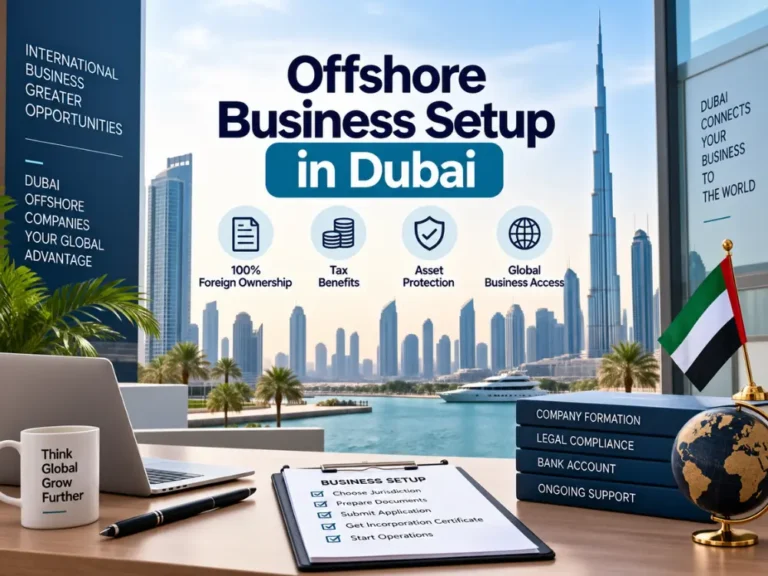
No, not for most activities. Free zone companies have always allowed 100% foreign ownership. Since the 2021 amendment to the UAE Commercial Companies Law, most mainland commercial and professional activities also allow full foreign ownership without a local Emirati partner. A small number of strategic or security-related activities still require Emirati shareholding or a local service agent, so it's worth confirming the requirement for your specific activity code before applying.
What is the UAE corporate tax rate and who has to pay it?
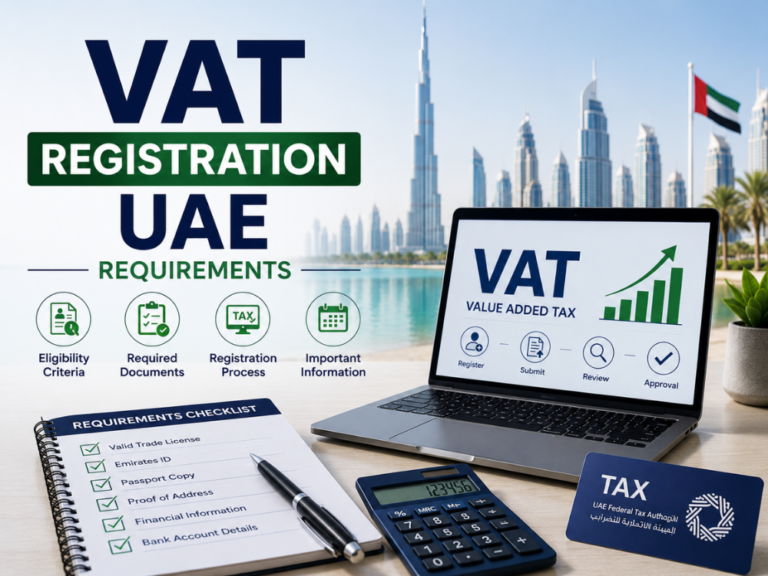
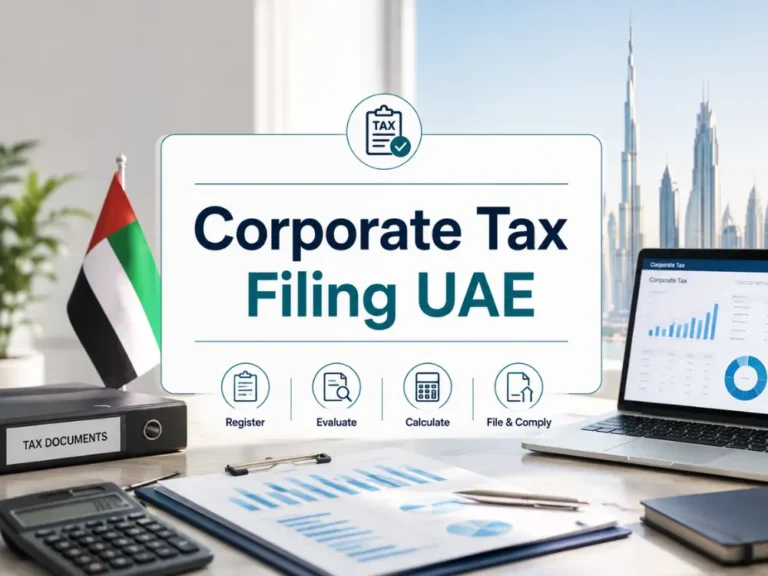
UAE corporate tax applies at 0% on taxable income up to AED 375,000 and 9% on taxable income above that threshold. It applies to mainland companies and, in most cases, to free zone companies as well, unless the free zone entity qualifies as a Qualifying Free Zone Person (QFZP) earning only qualifying income. Every taxable person must register with the FTA through EmaraTax, and the corporate tax return is due within nine months of the end of the relevant financial year.
Which trade license do I need for my business activity?
The license depends on what your business actually does, not its size or your budget. A commercial license covers buying, selling, trading, import and export. A professional license covers service-based work such as consulting, IT, marketing and creative services. An industrial license is required for manufacturing or production. Choosing a license that doesn't match your real activity can block you from invoicing correctly, even if your company is otherwise fully registered.
Do free zone companies still get 0% corporate tax in the UAE?
Yes, but it isn't automatic. A free zone company must qualify as a Qualifying Free Zone Person and earn only qualifying income to keep the 0% rate. If non-qualifying revenue, such as certain mainland transactions, exceeds the de minimis threshold of 5% of total revenue or AED 5 million, whichever is lower, the company loses QFZP status for that tax period and the following four, and the standard 9% rate applies to all income during that time.